Better understand trauma responses and the benefits of embedding trauma-informed principles to enhance outcomes for clients, staff, volunteers and the services themselves.

Better understand trauma responses and the benefits of embedding trauma-informed principles to enhance outcomes for clients, staff, volunteers and the services themselves.

An overview of complex trauma, its links to adverse childhood experiences, health and psychosocial impacts, treatment approaches and pathways to recovery through supportive relationships.

An overview of complex trauma, its links to adverse childhood experiences, impacts on physical and psychosocial health, and approaches to treatment and support.

An overview of how trauma affects the brain and stress responses, with practical guidance on embedding trauma-informed principles to benefit clients, staff and services.

Practical guidance for GPs on understanding complex trauma, having safe conversations with patients and creating a trauma-informed practice environment.

Practical information and strategies to help service providers understand complex trauma and its impacts, support safe conversations and engage effectively with people affected by trauma.

An introduction to trauma-informed practice and practical ways services can respond to and support people affected by trauma.

Complex trauma can affect many aspects of our daily lives. This includes how we feel; how we think; how we respond; how we relate to ourselves and to one another, and how safe we feel.
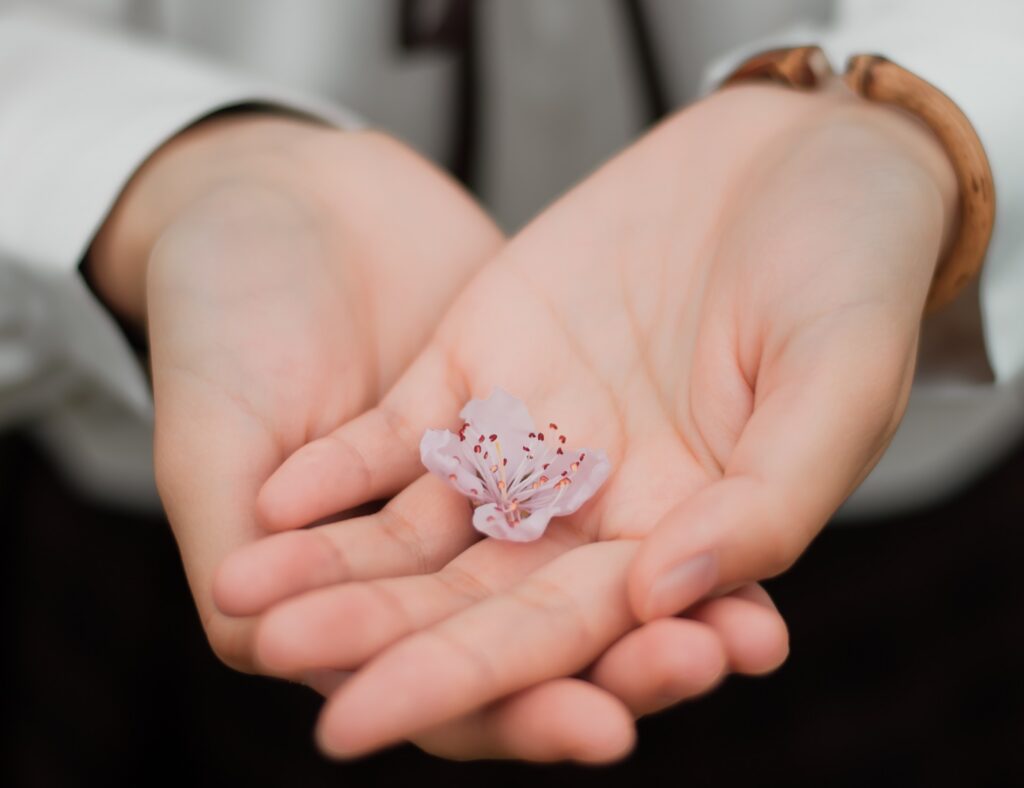
When you experience trauma, you are often in fear, confused, and feeling helpless and trapped in the moment. Many people with trauma experiences cope well and quickly become calm again.

Many people who have experienced abuse, neglect, or repeated trauma can feel intense emotional pain and distress at times. If this is happening for you or someone you know, support is available and you don’t have to manage it alone.

Blue Knot Foundation respectfully acknowledges the Traditional Custodians of the Lands on which we work and pay respect to First Nations peoples and their Elders past and present. We acknowledge their strength and resilience and are honoured to journey with them on the path to healing and reconciliation. Please be aware that this website may contain the names, images and voices of Aboriginal and Torres Strait Islander people who may now be deceased.


© 2026 Blue Knot Foundation. | ABN 49072260005 | All rights reserved.