
This Blue Knot Day, Thursday 29 October, we’re focusing on the journey of untangling complex trauma, strand by strand, for creating pathways for growth. Working together, we can make a real difference and build a hopeful future for survivors.
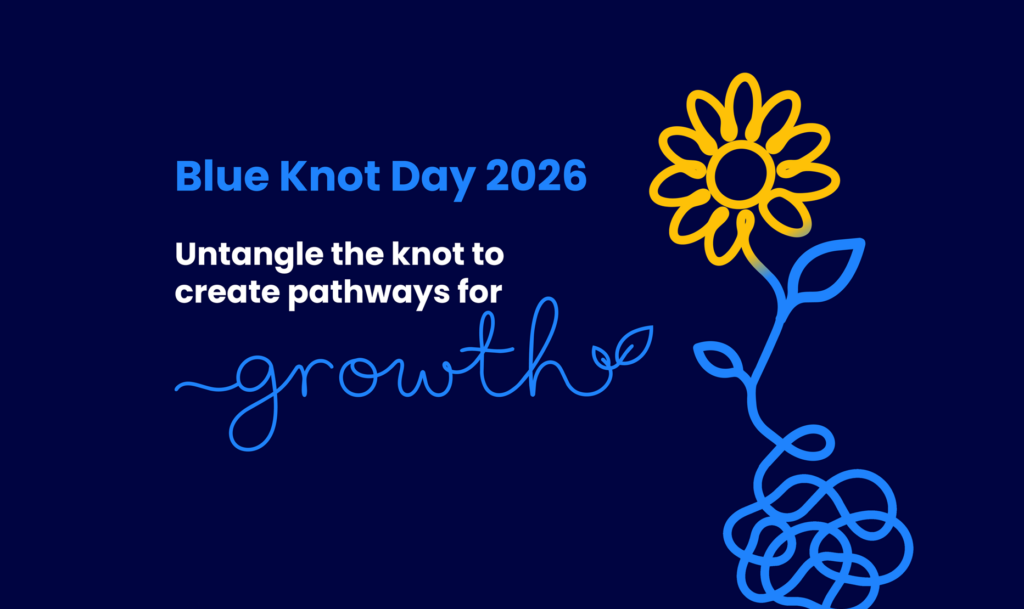
This Blue Knot Day, Thursday 29 October, we’re focusing on the journey of untangling complex trauma, strand by strand, for creating pathways for growth. Working together, we can make a real difference and build a hopeful future for survivors.

Many survivors of complex trauma struggle with confusing experiences related to memory. Some remember traumatic events clearly, while others remember only parts of what happened.

In our latest strategic plan, at the centre of every priority is our commitment to supporting our people, empowering recovery and driving lasting change.
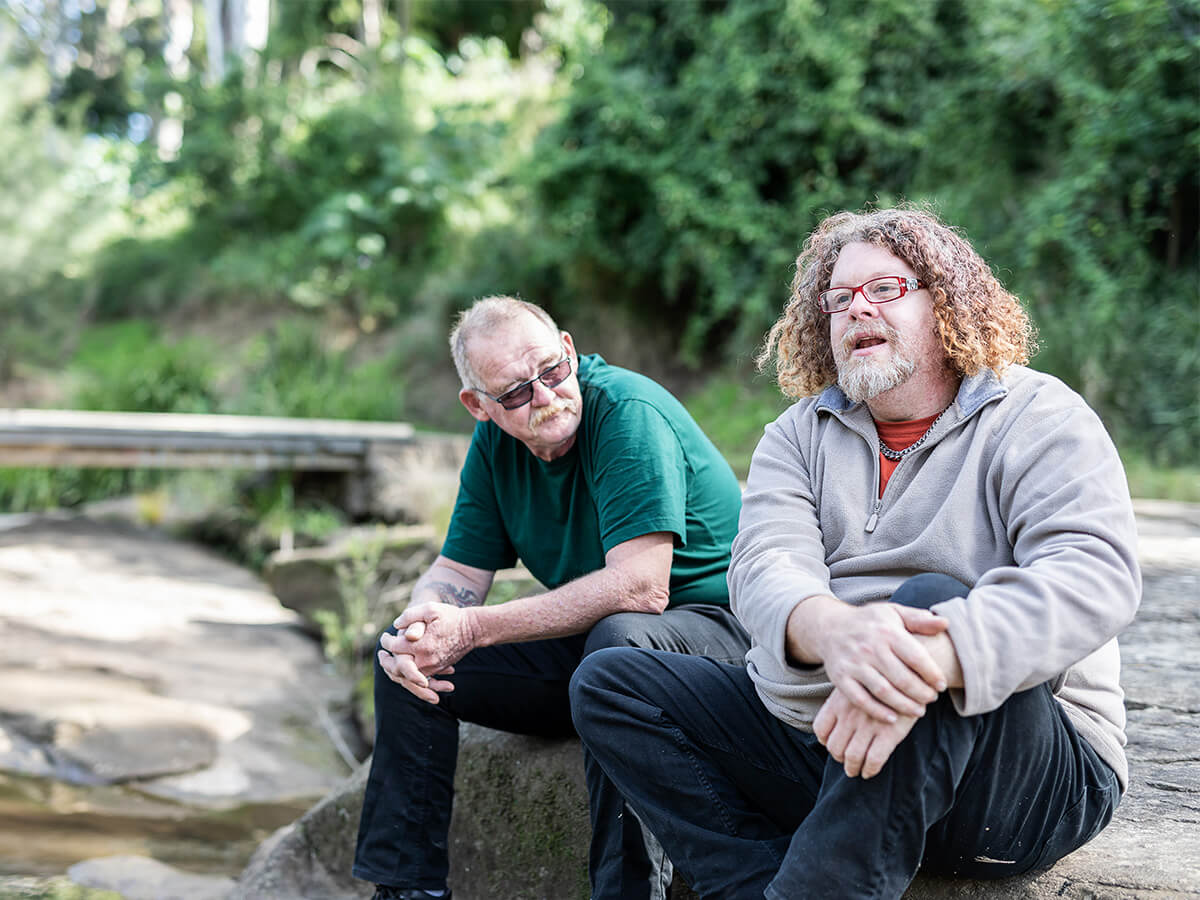
A strong relationship with your counsellor takes time and is built on trust, safety, respect, transparency and collaboration. If something feels uncomfortable or isn’t working, it’s okay to talk about it, revisit your goals, and decide whether the relationship can be repaired or whether another counsellor may be a better fit.

A new review by Vanessa Kredler explores Give Me a Memory, Robyn L. Parkinson’s 2025 memoir of complex trauma, highlighting its courage, clarity, and humanity. The piece reflects on why survivor memoirs of complex trauma remain rare and why this book helps fill an important gap.

It is okay to ask questions before starting therapy. Learning about a therapist’s training, approach and experience can help you decide whether they seem to be a good fit for you.

A compassionate guide to finding a trauma-informed therapist, focused on safety, trust, and the importance of the right therapeutic relationship for healing from complex trauma.

Supporting someone you care about who experiences dissociation or a Dissociative Disorder, including Dissociative Identity Disorder (DID) can feel confusing, upsetting or overwhelming, particularly when you or they are stressed.

Some people may find engaging with a therapist daunting and you may feel unsure or cautious, especially if trusting other people has not been safe. It’s also okay not to know where to start as your therapist will walk alongside you, moving at your pace, supporting you to feel safer and more in control.

Trauma can have lasting effects on the body and mind. Healing and recovery from trauma-related dissociation takes time and progress often happens slowly and in small, meaningful steps. While therapy or counselling is useful for many there are many other elements which also contribute to healing.


Blue Knot Foundation respectfully acknowledges the Traditional Custodians of the Lands on which we work and pay respect to First Nations peoples and their Elders past and present. We acknowledge their strength and resilience and are honoured to journey with them on the path to healing and reconciliation. Please be aware that this website may contain the names, images and voices of Aboriginal and Torres Strait Islander people who may now be deceased.


© 2026 Blue Knot Foundation. | ABN 49072260005 | All rights reserved.