Written by: Lee Jones
Survivor and artist.
If you’ve stopped to read this article, my hope is that you are curious about art and how it can help you along your journey.
When it was first suggested to me to try art, my brain went straight to drawing and painting. My inner self-talk was, “I would be hopeless at that,” accompanied by an eye roll. However, I was very motivated to improve my quality of life as I felt stuck in my past. So I embraced the decision to give it a go.
After doing some reading, I realised there is more to art than just drawing and painting. It includes many more activities such as colouring, knitting, singing, gardening, dancing, collage, listening to a song to help lift my mood, and the list is endless really.
I first started with colouring books (all the rage in 2015), specifically colour-by-numbers, as some days it was hard to think about what colour to use (even more so if my head was full of noise and memories). Sometimes I could feel stuck in my emotions and didn’t know how to move through them.
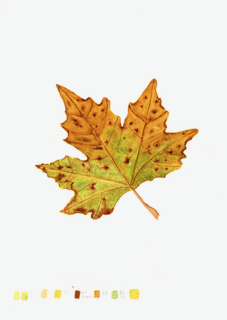

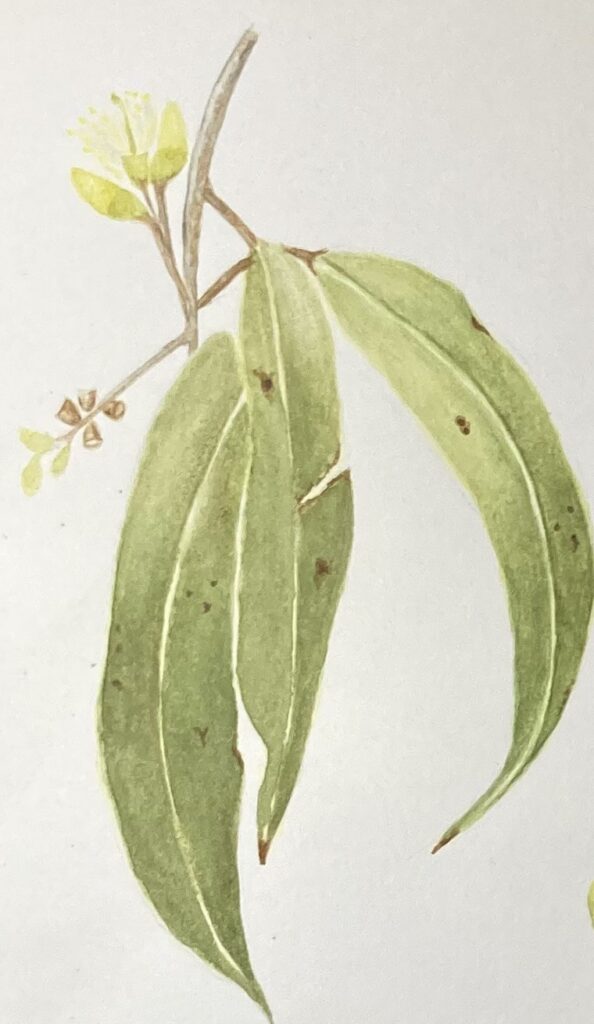

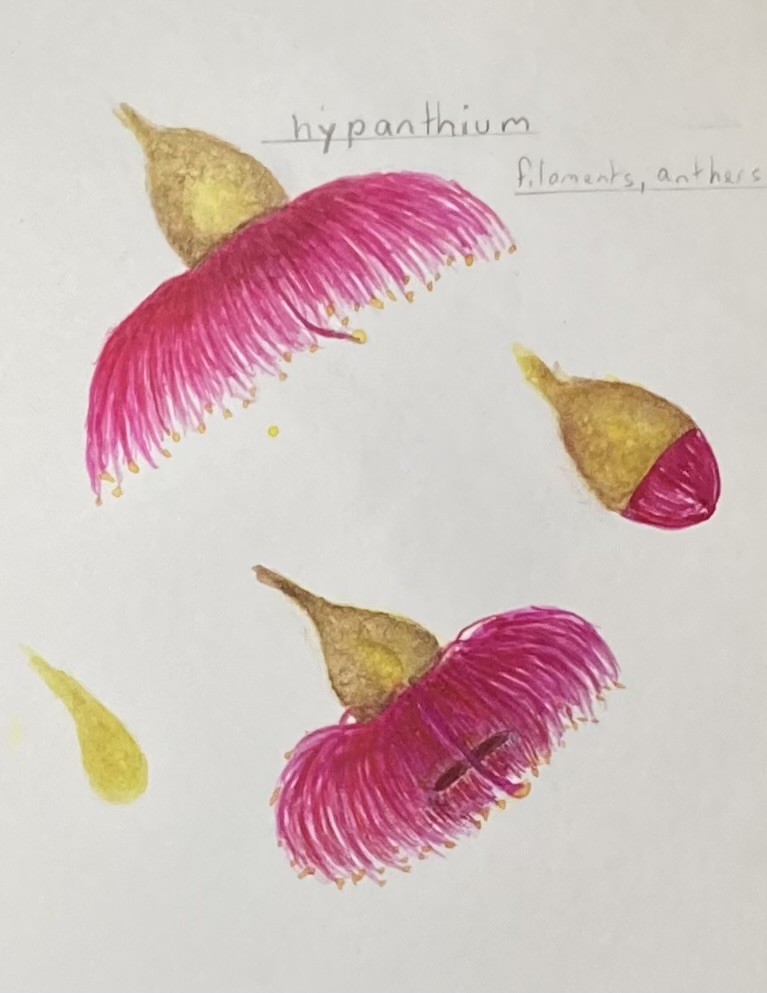
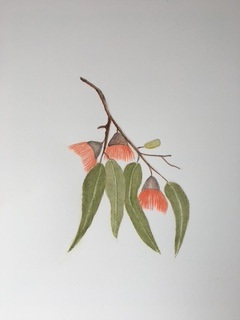
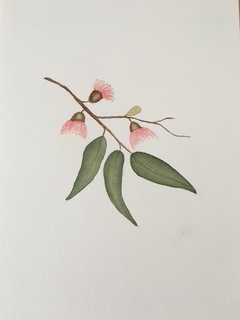
I committed to doing at least 20 minutes a day of some sort of art. Over time, I started to notice that I had become so engrossed in the activity that it actually significantly reduced the noise in my head. I started to recognise and coined the term that it was my “brain reset”. I could start with the most noisy head, and by the end of my art session, my brain was quiet, calm, and I felt relaxed. Art had given me the gift of space and time to “just be” in a space to connect with myself in a more positive light and the freedom to express things that I found hard to do through conversation.
Emerging research in neuroaesthetics suggests that engaging in creative activities can support emotional wellbeing, reduce stress and promote nervous system regulation. In Your Brain on Art, Susan Magsamen and Ivy Ross explore growing evidence that activities such as drawing, music, movement and creative expression can positively influence brain function, mood and stress responses. The authors discuss research showing that creative engagement, even for relatively short periods, may help lower cortisol levels and support emotional regulation and wellbeing when incorporated into everyday life.
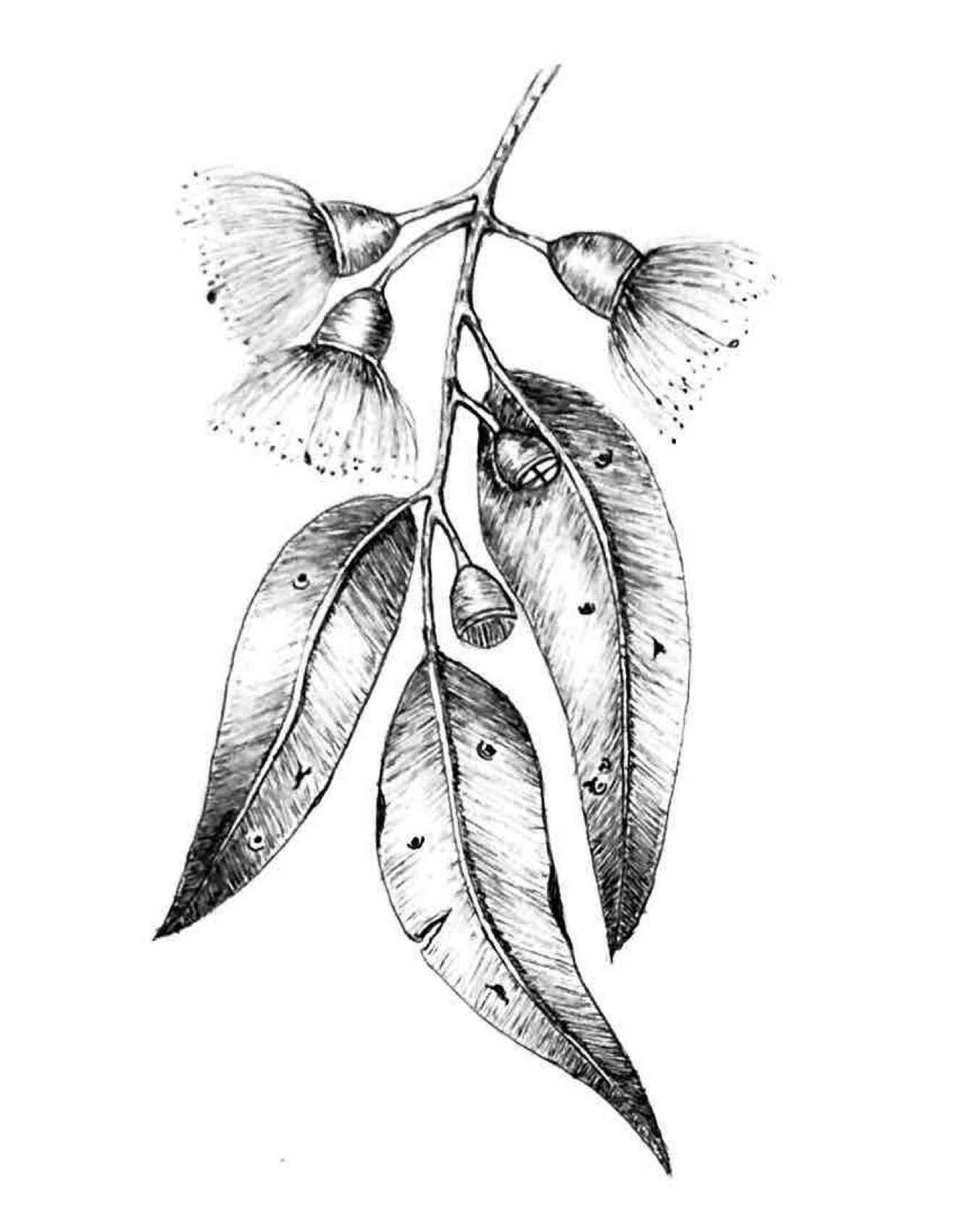
I have been doing various types of art now for five years, even learning to draw and paint. I started drawing by tracing around gum leaves and colouring/ painting them. Over the years of practice, my art and my mental health have improved significantly. Art has become a very important part of my life; it has enhanced and enriched my daily life. It has become one of the best things I have done and will continue to do in my healing journey.
We can all decide what we want to engage in and surround ourselves with.